


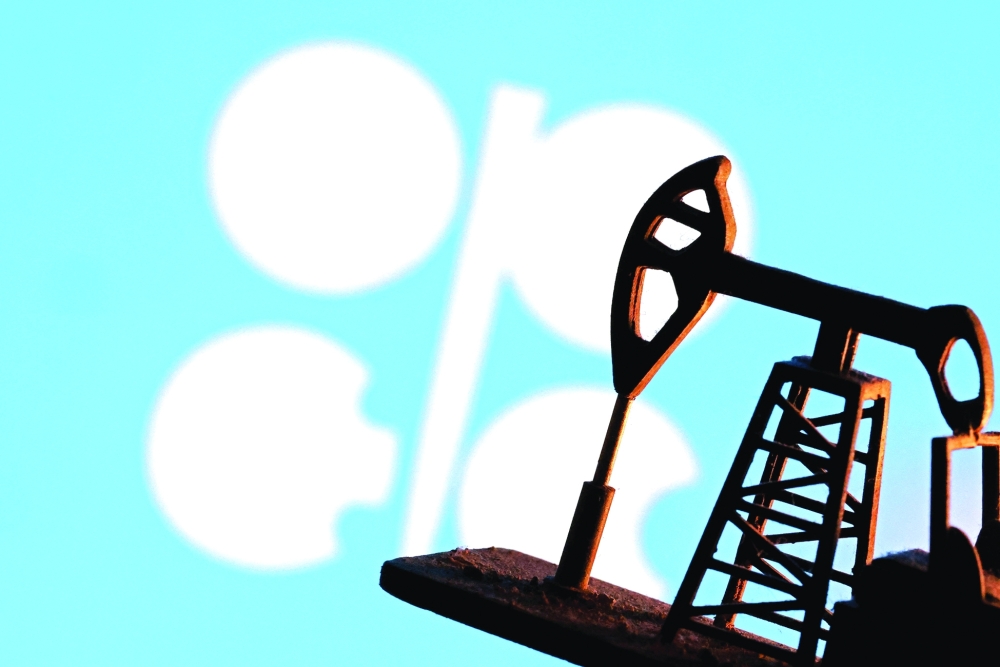





LONDON: The Opec+ is poised to approve a third consecutive monthly increase in oil output quotas, although the move is expected to have limited immediate impact as the ongoing US-Iran conflict 2026 continues to disrupt regional supply routes.
Sources indicate that seven core producers — Saudi Arabia, Iraq, Kuwait, Algeria, Kazakhstan, Russia and Oman — are set to raise combined production targets by around 188,000 barrels per day (bpd) in June. The planned increase follows similar adjustments in recent months and signals the group’s readiness to restore supply once conditions stabilise.
However, the continued closure of the Strait of Hormuz — a critical artery for global oil shipments — has severely constrained exports from key Gulf producers. Since the outbreak of hostilities on February 28, flows from Saudi Arabia, Iraq, Kuwait and the United Arab Emirates have been significantly curtailed, limiting the practical effect of any quota increases.
Market participants suggest that even if transit through Hormuz resumes, it could take weeks or months for supply chains to normalise fully. As a result, the latest production hike is widely viewed as a strategic signal rather than a near-term supply boost.
The decision also comes in the wake of the UAE’s recent exit from Opec+, reducing the group’s cohesion, although the same seven countries continue to steer monthly production policy.
Supply disruptions have already driven oil prices above $125 per barrel, a four-year high, raising concerns over potential jet fuel shortages and renewed inflationary pressures globally. According to Opec data, total crude output across the alliance fell sharply to 35.06 million bpd in March, reflecting export constraints, particularly in Saudi Arabia and Iraq.
The group is scheduled to reconvene on June 7 to reassess market conditions and policy direction. — Reuters
Oman Observer is now on the WhatsApp channel. Click here


